Things to Do in Danang
Turmeric noodles, a fire-breathing bridge, and the beach Vietnam kept to itself
Top Things to Do in Danang
Find activities and tours you'll actually want to do. Book through our partners -- no booking fees.


Plan Your Trip
Essential guides for timing and budgeting
Climate Guide
Best times to visit based on weather and events
View guide →Day Trips
The best excursions and nearby destinations worth the journey
Explore day trips →Where to Stay
Best neighbourhoods, hotel picks, and booking tips
Find hotels →Travel Insurance
What's required, what coverage matters, and how to get a quote
Read guide →What to Pack
Climate-specific gear, essentials, and what to leave at home
See packing list →When Should You Visit Danang?
Tap a month for weather, crowds, and highlights
View full year-round climate guide →Explore Danang
Ba Na Hills
City
Cao Dai Temple
City
Con Market
City

Dragon Bridge
City
East Sea Park
City

Golden Bridge
City
Han Market
City
Hoi An Ancient Town
City
Lady Buddha Statue
City
Linh Ung Pagoda
City
Love Lock Bridge
City
Marble Mountains
City
My Khe Beach
City

My Son Sanctuary
City
Son Tra Peninsula
City
Your Guide to Danang
About Danang
The South China Sea greets you first in Danang. Waves slap My Khe Beach in a rhythm so steady it fades into white noise within sixty minutes. Two-stroke motorbikes replace it. Plastic stools clatter for breakfast. The airport sits improbably close to the city center, minutes from the coast, and the ride in drops you into a place still unsure how to perform for visitors.
The Han River splits Danang: older western half where Con Market vendors stack pyramids of dried squid and banana-leaf parcels of steamed banh nam under fluorescent strips, and newer eastern shore along Vo Nguyen Giap where beachfront hotels face a coastline running north toward Son Tra Peninsula. Red-shanked douc langurs swing through that forested headland.
A massive white Guanyin statue at Linh Ung Pagoda watches from the summit. On weekend nights the Dragon Bridge, all 666 meters, exhales fire and mist over the river. Families eat grilled corn on the banks. Children sprint through spray. The event stays both spectacle and unselfconsciously local. South of town, the Marble Mountains jut from the coastal plain like misplaced teeth.
Limestone interiors are hollowed into Buddhist shrines where incense smoke curls upward through shafts of light dropping from ceiling gaps. Heat from April onward is punishing. It turns a casual walk into a negotiation with willpower. Danang answers with seafood along the My A coastline at dusk. Charcoal smoke and grilled squid drift across plastic tables. The air finally, mercifully, cools.
Travel Tips
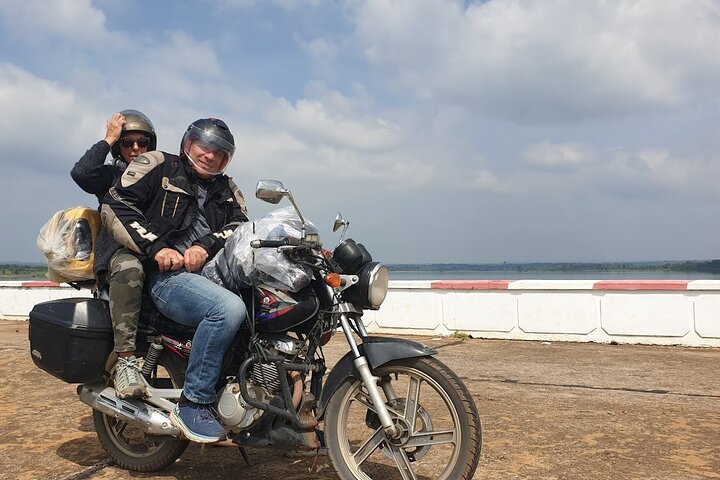
Transportation: Danang's airport sits close enough to beach hotels that you might think you can walk. You can't in the heat. Grab rides take under fifteen minutes to nearly anywhere in the city. Download Grab before you land. It handles cars and motorbikes and kills the haggling that makes taxi stands exhausting. Renting a motorbike unlocks the coastal road from My Khe north to Son Tra Peninsula. Hairpin curves hang above turquoise water with almost no traffic. It ranks among the finest short rides in Southeast Asia. Mind you, Danang drivers treat lane markings as gentle suggestions. Unless you're comfortable with intersections where right-of-way is decided by momentum and horn volume, stick to Grab.
Money: Vietnamese dong trades in denominations so large the zeros blur together. What feels like Monopoly money on day one becomes second nature by day two. In dim light the notes look nearly identical, so sort your bills under good lighting before heading out. Cards work at hotels and larger restaurants along Bach Dang. Con Market, street food stalls, and most places you'll want to eat are cash only. Stick with Vietcombank or BIDV ATMs to keep withdrawal fees reasonable. Some international-bank machines charge noticeably more. One quirk that catches newcomers: tipping isn't customary here. Overtipping at local spots creates awkward pressure for staff and the next visitor who follows you.
Cultural Respect: Cover shoulders and knees at any temple or pagoda. This isn't a polite suggestion. Marble Mountains shrines will turn you away at the entrance. Remove shoes before entering any prayer hall. You'll see the pile at the threshold. Vietnamese hospitality runs warm but indirect. A direct no from a local is rare. Pay attention to hesitation. It usually means the same thing. When you visit Linh Ung Pagoda on Son Tra Peninsula, keep your voice low. It's an active place of worship, not a photo backdrop. The monks' patience with selfie sticks has limits. A small bow with hands pressed together is appreciated but not expected. The gesture matters more than the form.
Food Safety: Danang's signature dish is mi quang. Flat turmeric-stained rice noodles sit in a shallow, intensely savory broth with pork, shrimp, crushed peanuts, and a rice cracker balanced on top. Versions near Con Market at dawn, when broth is freshest and herbs still snap, set the standard. Banh xeo, a sizzling oil-crisped crepe stuffed with shrimp and bean sprouts, wrapped in rice paper and a mustard leaf that bites back, is the other essential. The safest rule for street food here is the simplest: eat where turnover is fastest and the queue longest. Ice in drinks at established stalls is factory-made and safe. The garnish plates left sitting uncovered in midday heat are the thing to watch.
When to Visit
Danang's weather splits into two seasons, and picking the wrong one means the difference between swimming in warm, glassy water and watching horizontal rain from a hotel lobby. The dry season runs roughly February through August. The wet season covers September through January and can be dramatic.
February through May is likely your best window. Temperatures sit between 24 and 30 degrees Celsius (75 to 86 Fahrenheit). The humidity hasn't peaked. The ocean is calm enough for swimming most days. Hotel rates tend to run well below summer highs. Ba Na Hills is at its clearest then. The mountaintop park's Golden Bridge, a walkway cradled by enormous stone hands above the cloud line, became Danang's most circulated image. The international fireworks festival lights up the Han River on weekend evenings.
June through August brings the real heat: 33 to 38 degrees Celsius (91 to 100 Fahrenheit). Humidity makes the air feel like something you're wearing. Peak domestic tourism season fills the beachfront hotels. Weekend traffic along Vo Nguyen Giap slows to walking pace. The water is at its warmest and clearest. The sunsets over the Han River last long enough to finish a meal by.
September signals the turn. Rainfall builds through October and November. Typhoons become a real possibility, not every year. But often enough that flexible booking dates are worth the premium. Low-lying streets near the river can flood. Some beachfront restaurants close until the skies clear. The trade-off is worth knowing.
Accommodation rates drop sharply. The Marble Mountains look better wreathed in mist than flat sunshine. The city settles into a quieter local rhythm the dry season doesn't have.
December and January cool Danang to 18 to 23 degrees Celsius (64 to 73 Fahrenheit) with intermittent drizzle instead of sustained downpours. If you're pairing Danang with Hoi An, under an hour south and worth every minute of the drive, this cooler stretch is good for walking narrow streets without wilting. Tet, the Vietnamese New Year, falls in late January or early February and transforms the city.
Some businesses close for days. The flower markets along Bach Dang and the family gatherings spilling onto sidewalks show you a Danang the peak-season visitors never get to see. Pack a light jacket for the evenings. It surprises people who packed for the tropics.
More Ways to Experience Danang
Tours, day trips, and local experiences curated by on-the-ground operators.
Didn't see anything interesting yet?
Browse Viator's full catalog of tours, day trips, food experiences, and private guides in Danang.
See All Danang Tours on Viator